


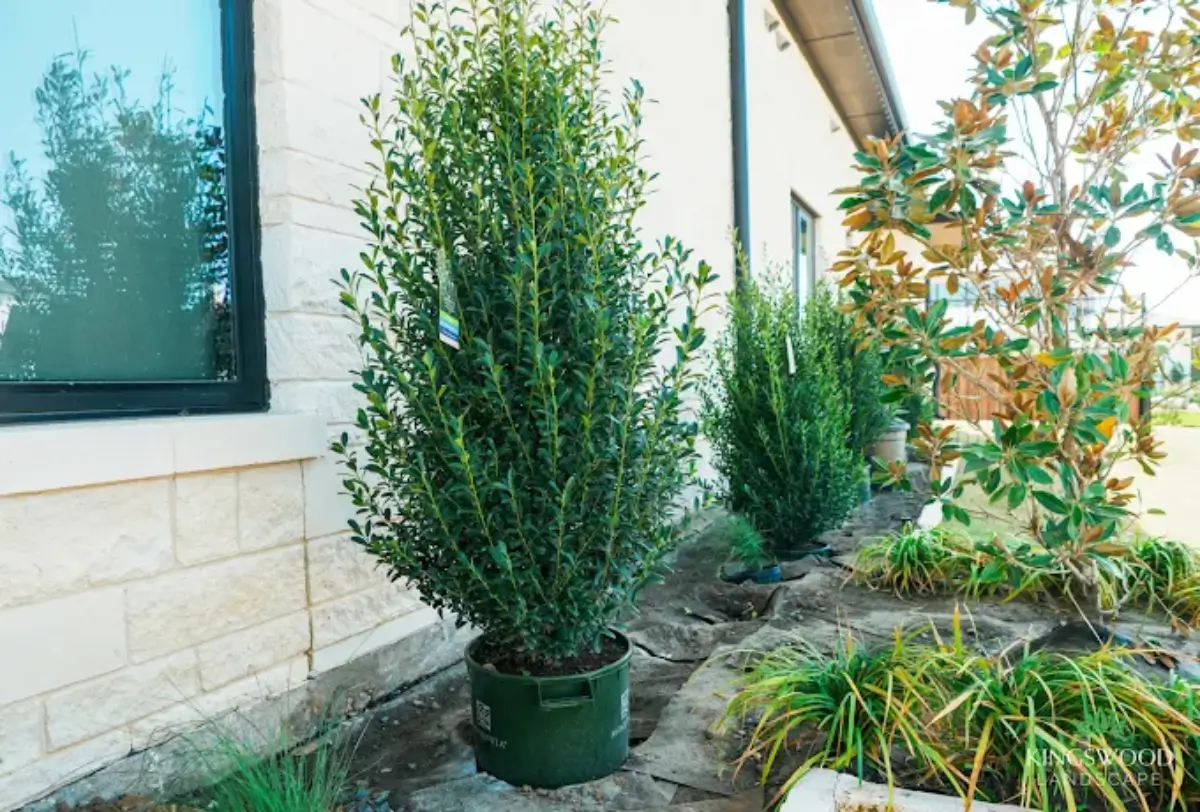
Ten measures to take this month, so a cold night passes without consequence.
The clocks fell back on Sunday, the evenings are suddenly short, and the afternoons can still reach the 70s. That is precisely why this week matters. In Dallas–Fort Worth the first freeze typically arrives in late November, usually just after a warm spell that makes it easy to forget, and one clear, still night is enough to split a backflow preventer or flatten a bed of tender perennials.
Nearly all of it is preventable with one afternoon this month and a short routine the night a freeze is forecast. Here are ten steps in the order we would take them, and what to do if the cold settles in for days.
A burst pipe is the most damaging freeze problem in a garden, and the easiest to prevent. Complete these three this weekend.
Do it now · 15 minutes
The backflow preventer is the brass assembly that rises out of the ground near your irrigation connection, usually by the house or the water meter. It sits fully exposed, holds water, and is among the first things to crack in a hard freeze. Cover it with an insulated cover made for backflow devices, or wrap it in foam pipe insulation and an old towel, then slip a plastic bag over the outside to keep the insulation dry. Leave the test cocks and handles reachable so it can still be shut off.
Do it now · 30 minutes
Do it now · 10 minutes
Know exactly where the shutoff valve for your irrigation system is. It is often in a small valve box near the backflow preventer or the meter. Clear the leaves from the lid and keep a flashlight and a valve key where you can find them in the dark. If a pipe breaks at 6 a.m., the water should be off in seconds.
Before any freeze, set the controller to off or rain mode. Sprinklers running on a cold morning coat walks, drives and shrubs in ice. Many North Texas cities restrict irrigation when temperatures approach freezing, so check your city's current rules.
Healthy, moist, mulched soil is the best insulation a plant has.
When a hard freeze is forecast · Early in the day
Moist soil holds and releases more heat than dry soil, and a plant that enters a freeze dehydrated is far more likely to be damaged. Water beds, new plantings and containers deeply one to two days before a hard freeze (usually defined as several hours at 28°F or below). Water by hand if the controller is off, and do it in the morning so foliage is dry by evening.
Early to mid-November · Shredded hardwood or pine bark
A 2- to 3-inch layer of mulch evens out soil temperature and protects roots, especially on shrubs and perennials planted this fall. Pull it back an inch or two from trunks and stems so the bark stays dry. Do not exceed 3 inches; heavy clay below already holds ample moisture, and a thick blanket against a trunk invites rot.
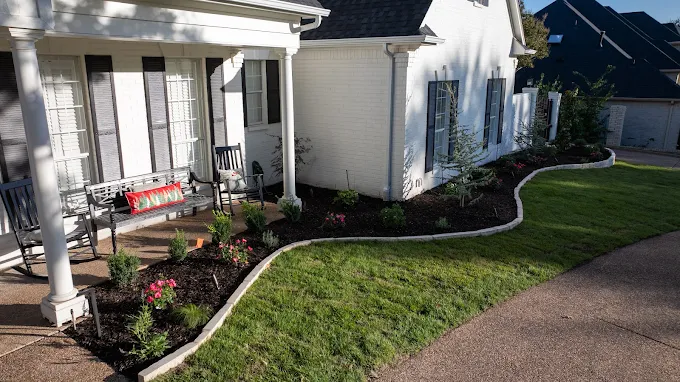
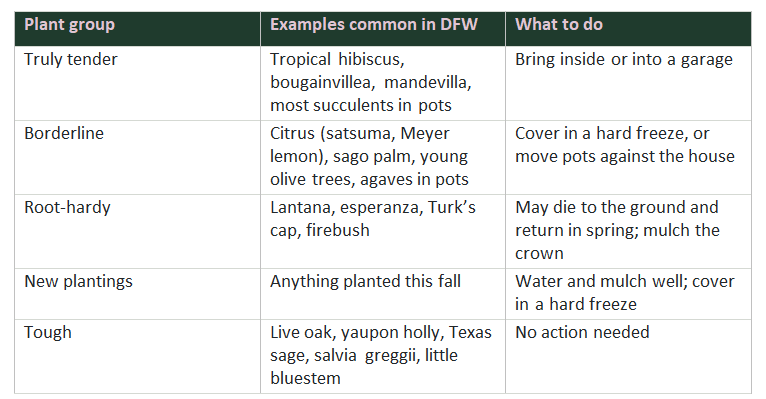
Know which plants need help before the forecast turns, not the night of.
Make the list now · Walk the garden once
Step 7: Cover with Frost Cloth, Not Plastic
The night of the freeze · Before sunset
Buy frost cloth now, while garden centers still carry it. It is a lightweight, breathable fabric that holds the heat rising from the ground. Drape it all the way to the soil and weigh the edges with stones or bricks; a cover that stops at the branches cannot hold ground heat. For a hard freeze, use two layers.
Leave plastic sheeting in the garage. Where plastic touches leaves it conducts cold straight into them, and on a sunny morning it can scorch the plant beneath. Old bedsheets will serve if nothing else is at hand, but keep heavy blankets off brittle branches.
The afternoon before · Pots freeze faster than beds
Roots in a container are exposed on every side, so potted plants freeze long before the same plant in the ground. Move tender pots into a garage or the house. Larger pots that cannot move should be gathered against a south- or west-facing wall, watered and covered with frost cloth to the ground.
The plants we lean on are the ones that came through February 2021, when North Texas stayed below freezing for days and dropped below zero in places. Yaupon holly and dwarf yaupon, live oak, eastern red cedar, boxwood and Texas sage are the evergreen backbone we continue to specify for exactly that reason. Pittosporum, oleander, sago palms and many wax myrtles did not fare as well, so we treat them as borderline. A plant list is only as good as its worst winter.
Most DFW freezes last a single night. When one settles in for several days, the routine changes.
Multi-day cold · Check once each morning
Leave frost cloth in place. It lets light and air through, so it can stay on for two or three days. Plastic or blankets cannot.
Leave ice on branches alone. Knocking ice from a yaupon or crape myrtle snaps the limbs it coats. Let it melt. Light snow can be brushed off gently with a broom, working upward.
Keep salt away from beds. Ice-melt salts damage roots and turf along walks and drives. Use sand or a product labeled safe for plants on the steps.
Run the pool pump. If you have a pool, keep circulation running through the freeze (most equipment has a freeze-protection setting) and confirm the equipment pad has power each morning.
Stay off a frozen lawn. Walking on frosted grass crushes the blades and leaves brown footprints that last until spring.
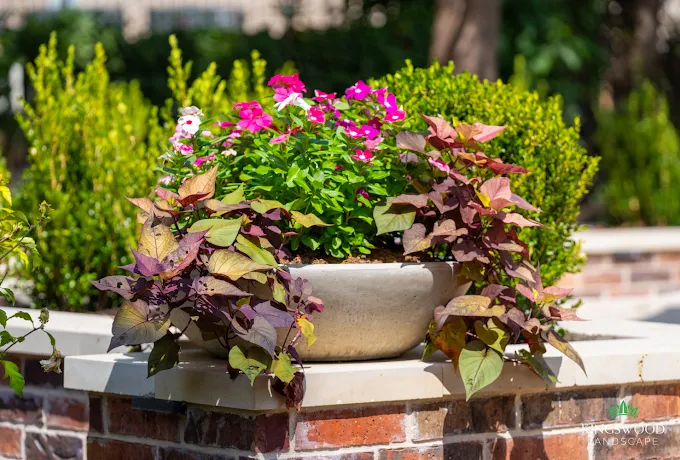
The next morning matters nearly as much as the night before.
Mid-morning after the freeze · Check the thermometer first
Lift covers once temperatures climb back above freezing, usually by mid-morning. Plants need light, and covers left on in full sun can overheat them. Inspect the backflow preventer and faucets for drips or cracks before turning anything on, then restore the irrigation controller only when the cold spell has passed.
Wait until after the last freeze · Typically mid-March in DFW
Brown, collapsed leaves are unsightly, but they shelter the living wood below from the next cold night. Leave freeze-damaged growth in place until after the last freeze, which typically falls around mid-March, then wait for new buds to show where the live wood begins. Cut back to just above that point. The same holds for ornamental grasses and root-hardy perennials such as lantana and Turk's cap: leave them standing through winter.
The gardens that come through a North Texas winter looking composed are the ones planned around plants that belong here, with plumbing, irrigation and pool equipment placed where they are easy to protect. If you would like a planting design built on freeze-tough evergreens and native grasses, our design studio would welcome the chance to walk your property with you. Fall and winter are the finest months to plant in North Texas, so now is the time to begin. Start a conversation with Kingswood Landscape.


